
XXI-K-30 Author Meets Critic: Discussing Akin Ogundiran’s The Yoruba: A New History Saturday, November 20, 2:00-3:45pm Eastern Chair: Abidemi Babalola, University of Cambridge Book Title: The Yoruba: A New History
Author: Akin Ogundiran, University of North Carolina, Charlotte
Aderonke Adesanya, James Madison University
Biodun Ogundayo, University of Pittsburgh at Bradford Constanze Weise, East Tenesse State University Olanrewaju Lasisi, College of William and Mary
Book Description:
The Yoruba: A New History is the first transdisciplinary study of the two-thousand-year journey of the Yoruba people, from their origins in a small corner of the Niger-Benue Confluence in present-day Nigeria to becoming one of the most populous cultural groups on the African continent.
Weaving together archaeology with linguistics, environmental science with oral traditions, and material culture with mythology, Ogundiran examines the local, regional, and even global dimensions of Yoruba history. The Yoruba: A New History offers an intriguing cultural, political, economic, intellectual, and social history from ca. 300 BC to 1840. It accounts for the events, peoples, and practices, as well as the theories of knowledge, ways of being, and social valuations that shaped the Yoruba experience at different junctures of time. The result is a new framework for understanding the Yoruba past and present.
Author: Akin Ogundiran
Dr Ogundiran is a Nigerian-American archaeologist, anthropologist, and cultural historian, whose research focuses on the Yoruba world of western Africa, Atlantic Africa, and the African Diaspora. He is Chancellor’s Professor and Professor of Africana Studies, Anthropology & History at UNC Charlotte

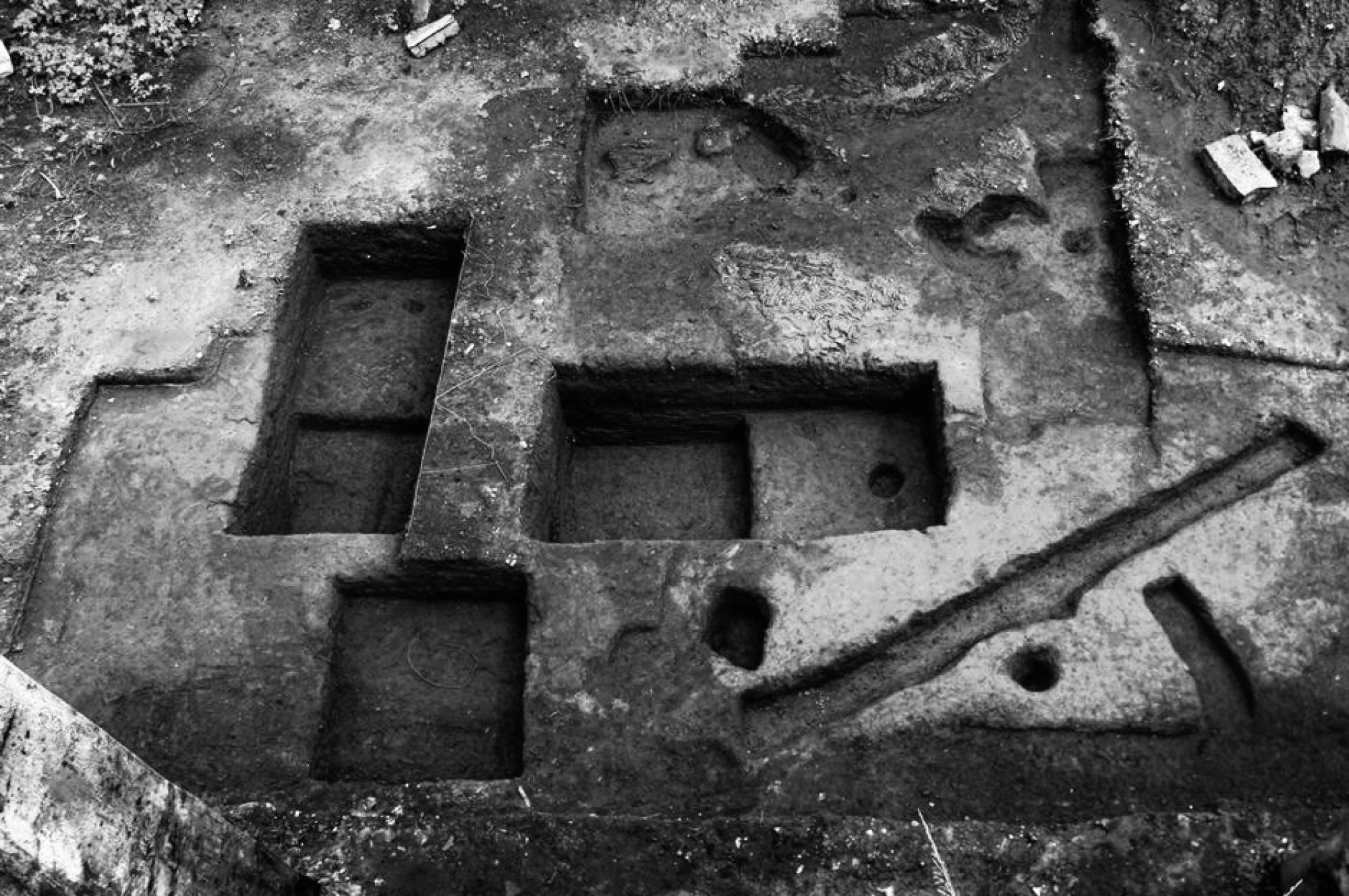
Dr. Ogundiran is a transdisciplinary scholar whose research interests focus broadly on the emergent communities, social complexity, and cultural history in the Yoruba world over the past one thousand years, using archaeological, historical, ethnographic, and material science methods. His earlier research efforts sought to understand the impacts of global/regional social, political, and economic processes on community formations; and how social actors created knowledge, communities, and identities with objects and the landscape, 1000-1800 AD. Ogundiran is currently leading a research project on the political economy and settlement ecology of the Oyo Empire, focusing on the landscape history of the empire’s metropolitan area (Oyo-Ile) and one of its colonies (Ede-Ile). He has also facilitated collaborative projects on the archaeology of Atlantic Africa and the African Diaspora.

